Characterization of alfalfa accessions towards efficient breeding for drought, salinity and Phoma medicaginis disease resistance
Addressing Forage Shortage Through Improved Alfalfa Varieties:
A Tunisian-South African Collaborative Approach
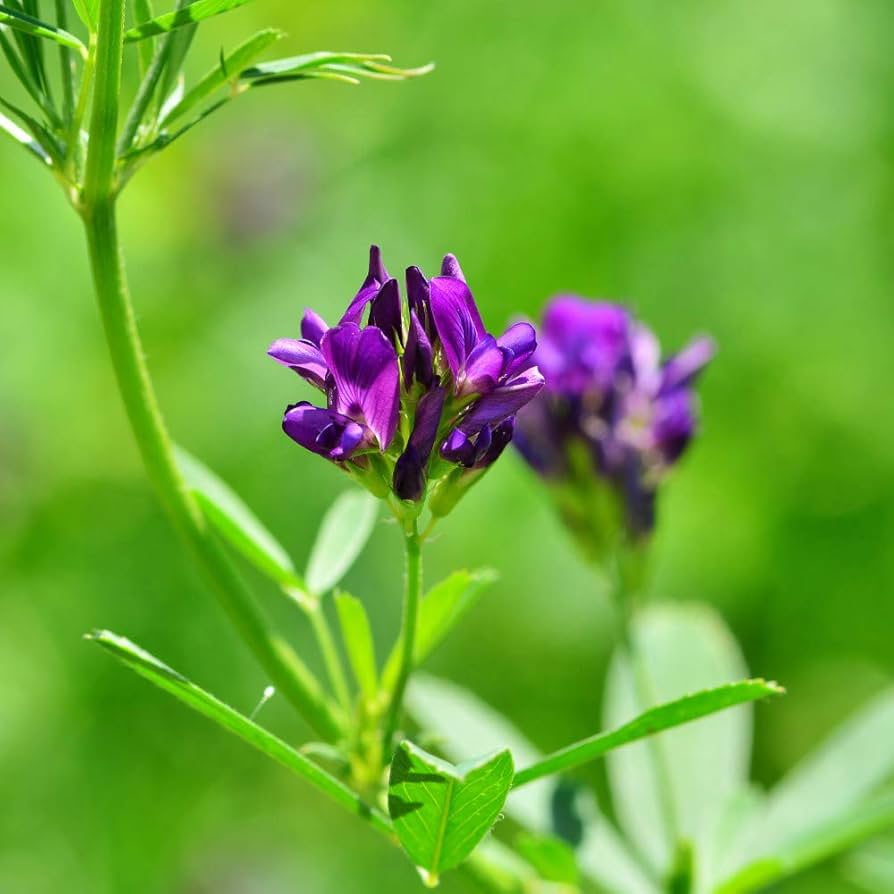
The current issue of forage shortage in Tunisia and South Africa represents a major challenge for the agricultural sectors of both countries, particularly in a context marked by the effects of climate change. Alfalfa, also known as lucerne, stands out as one of the best solutions due to its numerous benefits, including its high nutritional value and its ability to improve soil structure. However, this crop faces several environmental constraints that significantly limit its productivity.
Among these constraints is the lack of new high-performing varieties capable of tolerating abiotic stresses, such as salinity and water deficit, as well as biotic stresses, particularly infections by pathogens like Phoma medicaginis. These challenges are exacerbated by climate change, which increases the severity and frequency of unfavorable conditions.
Our project aims to improve the agronomic performance of alfalfa under these complex environmental conditions. As part of a Tunisian-South African collaboration, we have adopted a multidisciplinary approach that combines varietal selection and the use of biostimulants. This program seeks to develop more resilient and productive varieties while maintaining high nutritional quality.
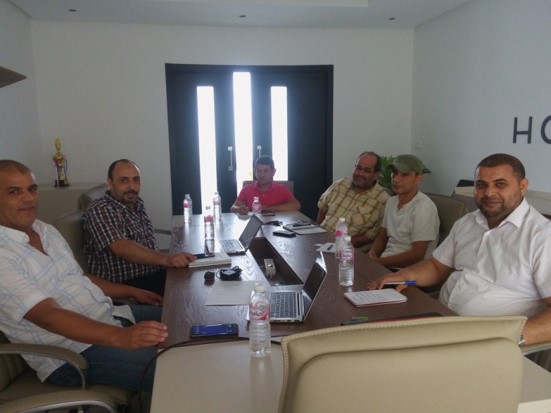
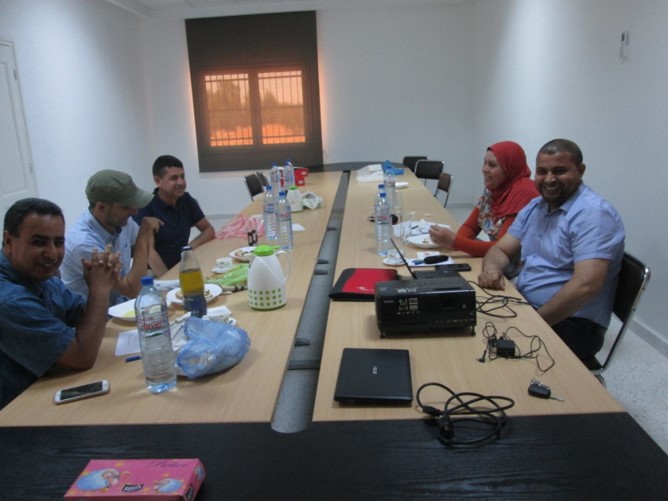
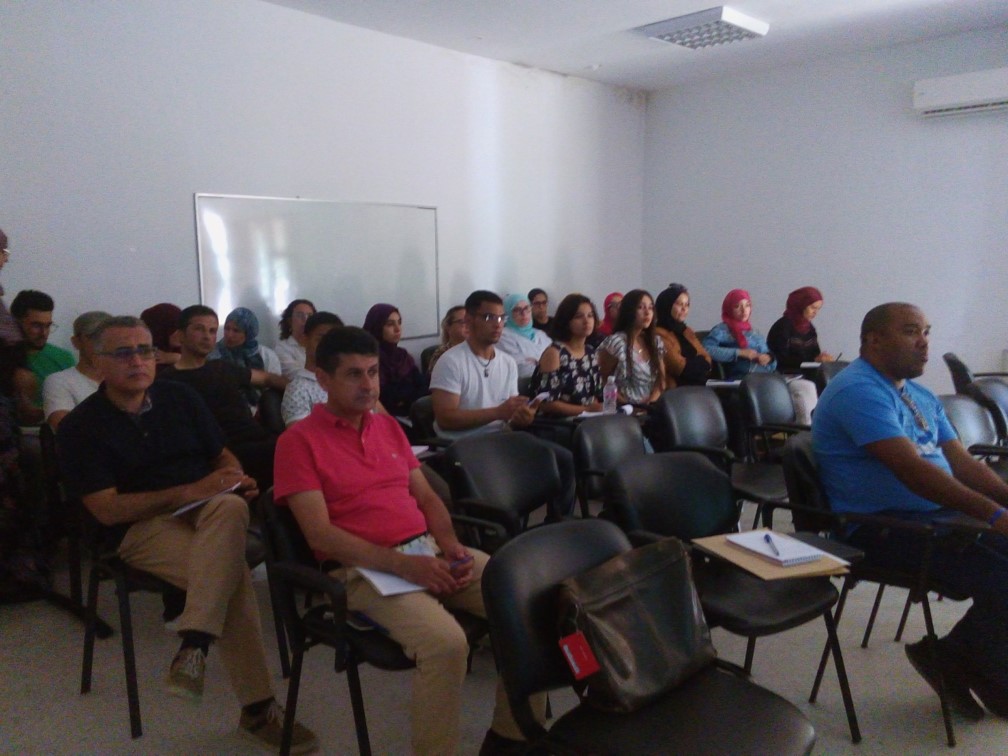
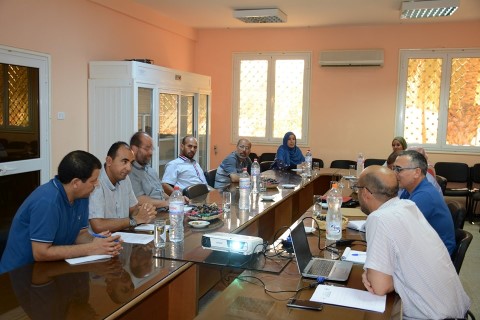
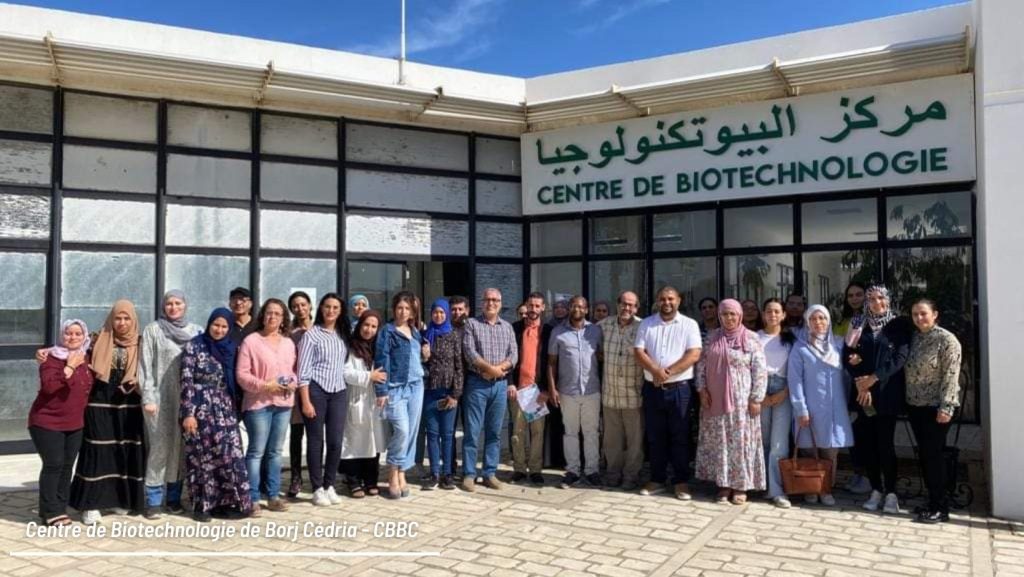
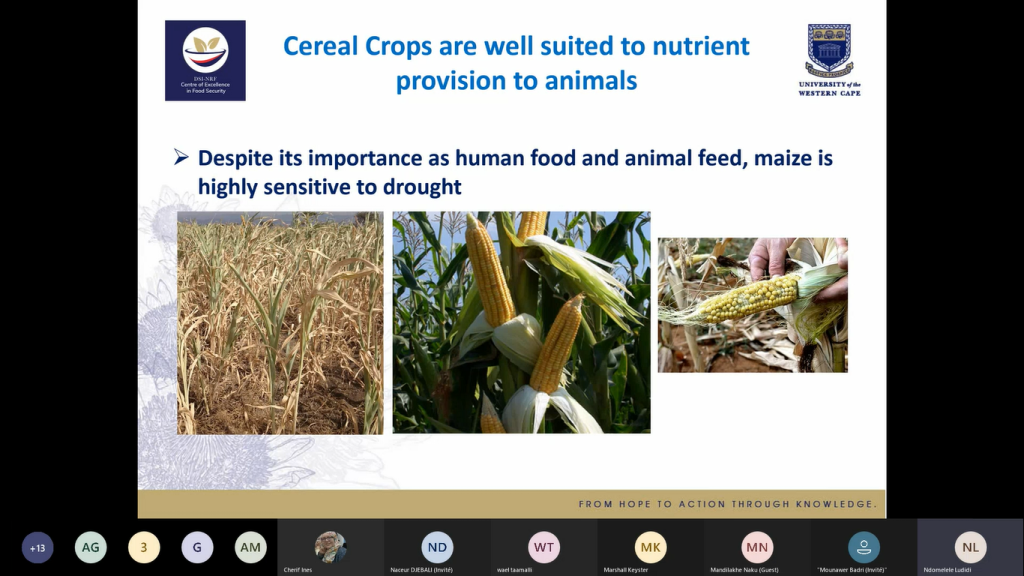
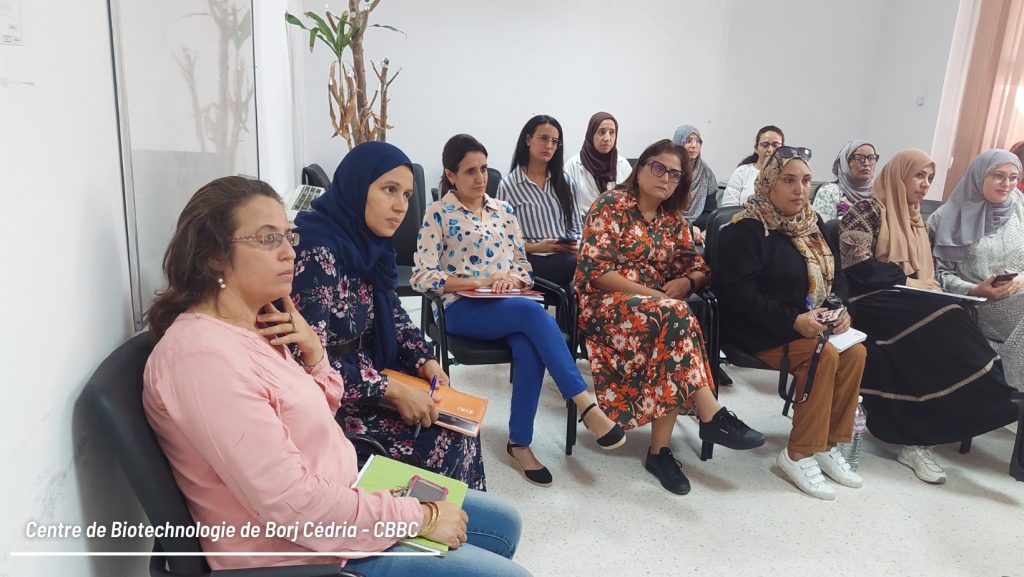
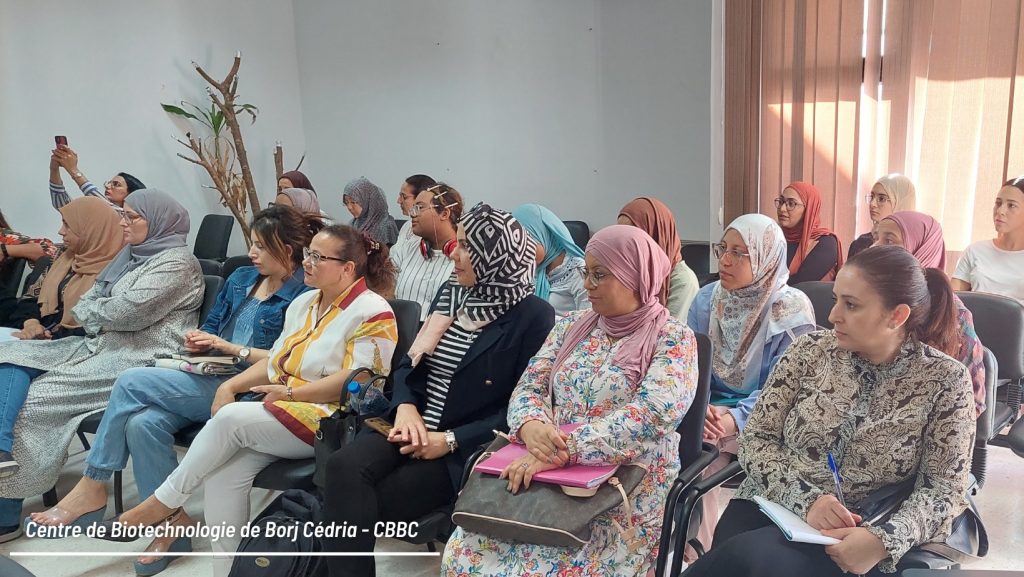
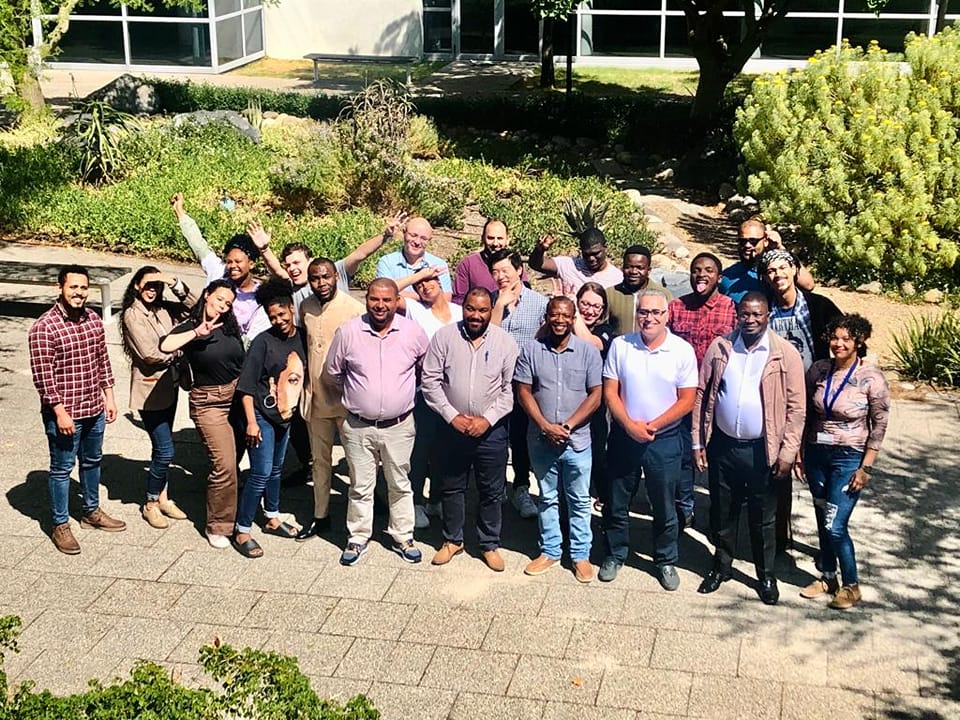
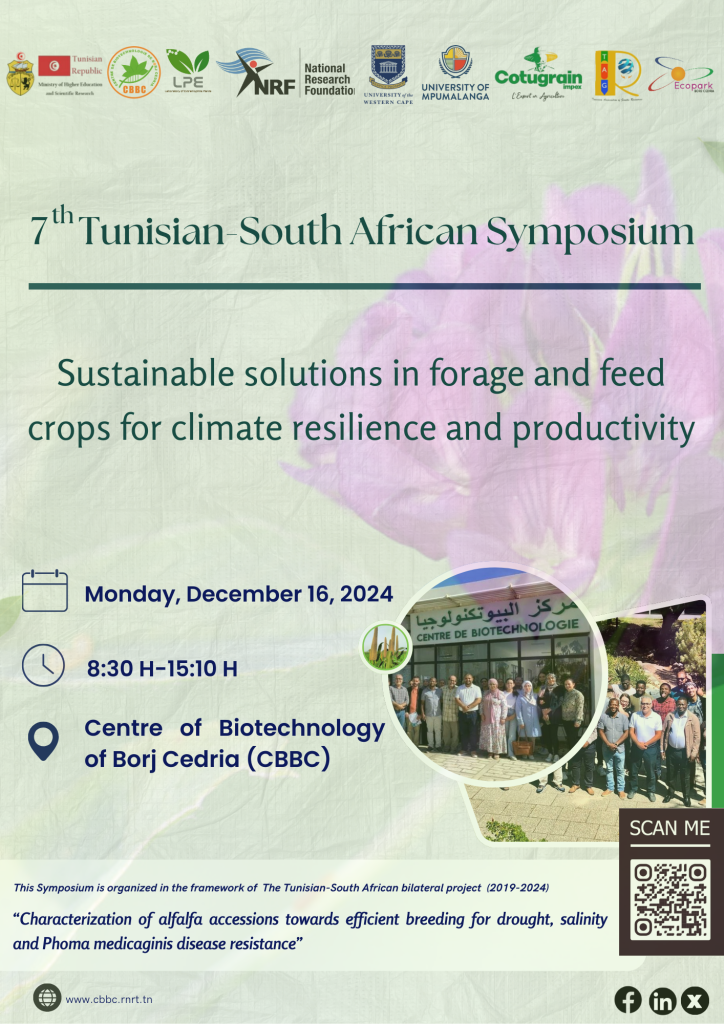
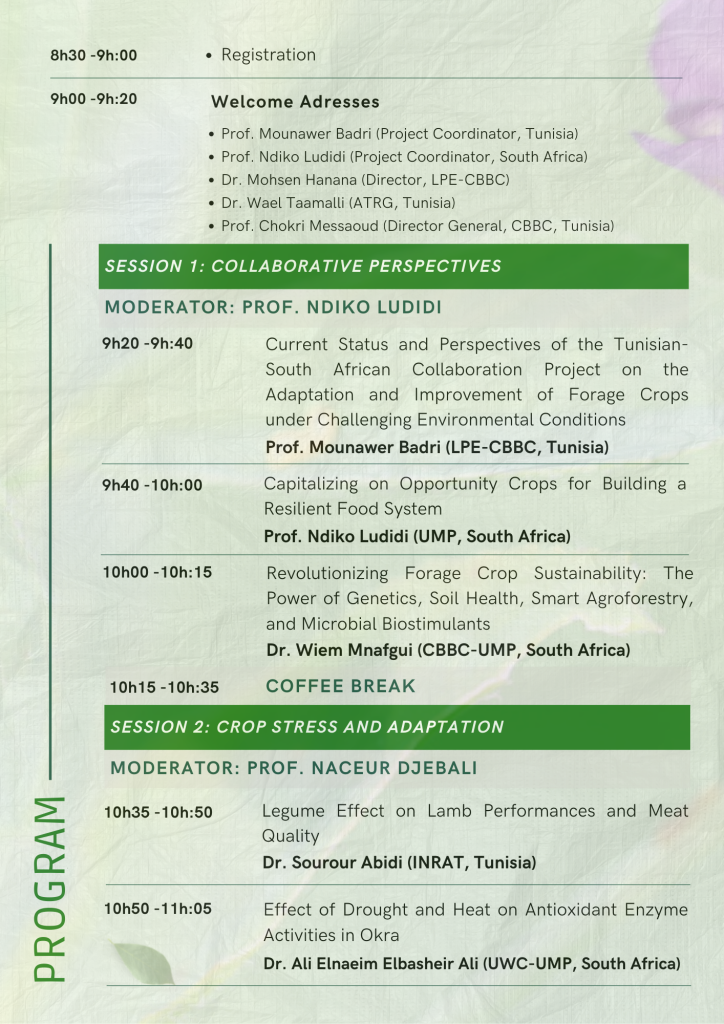
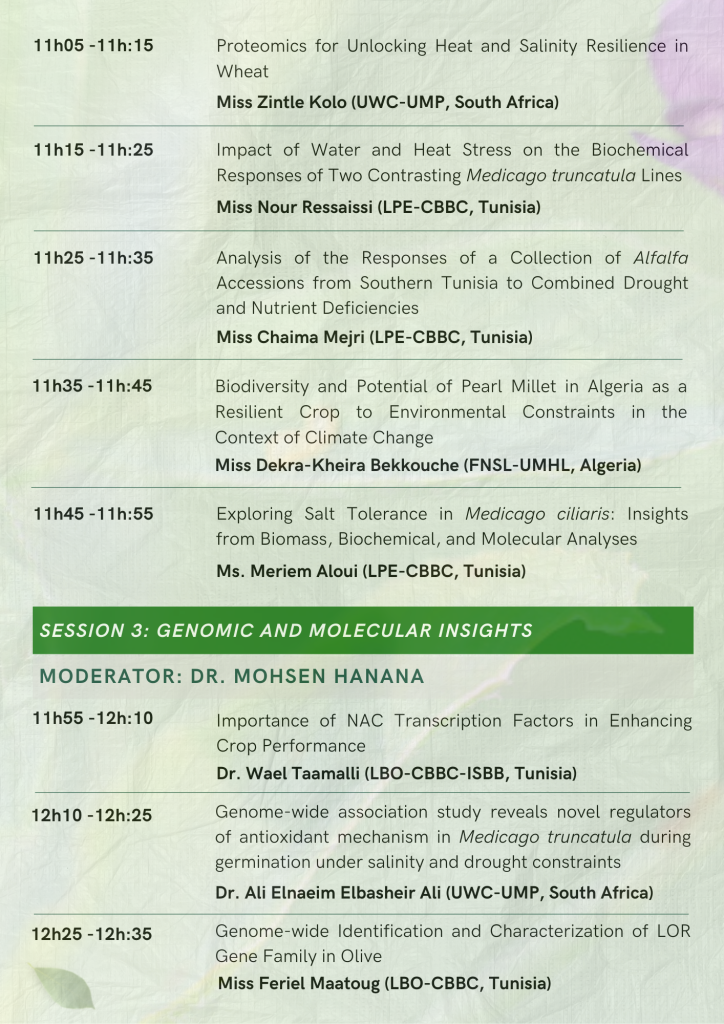
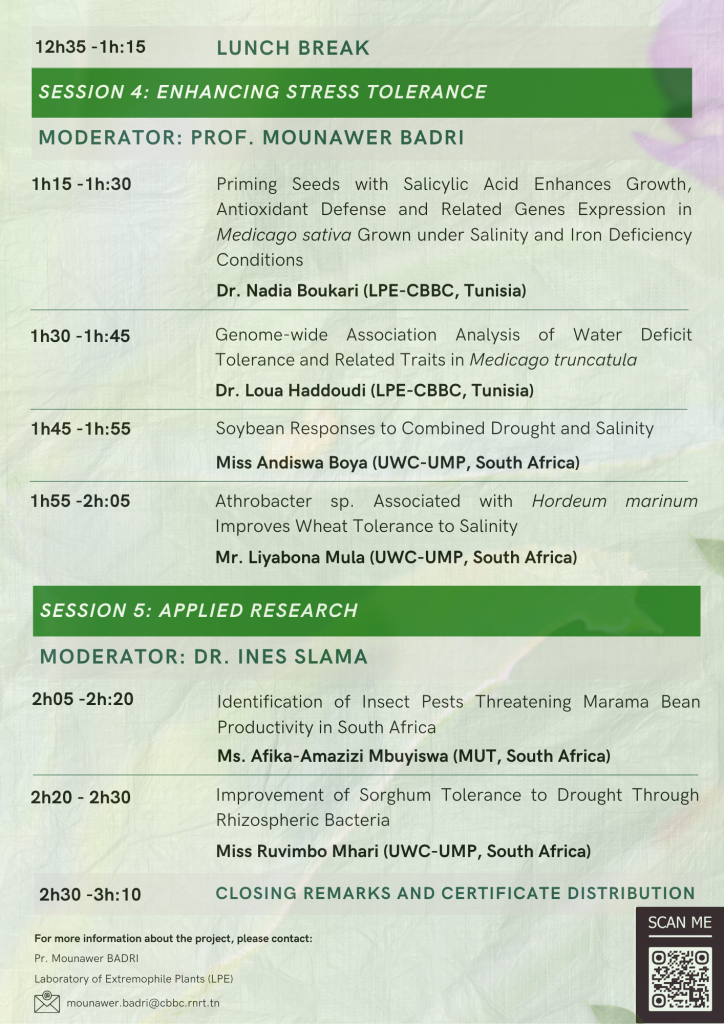
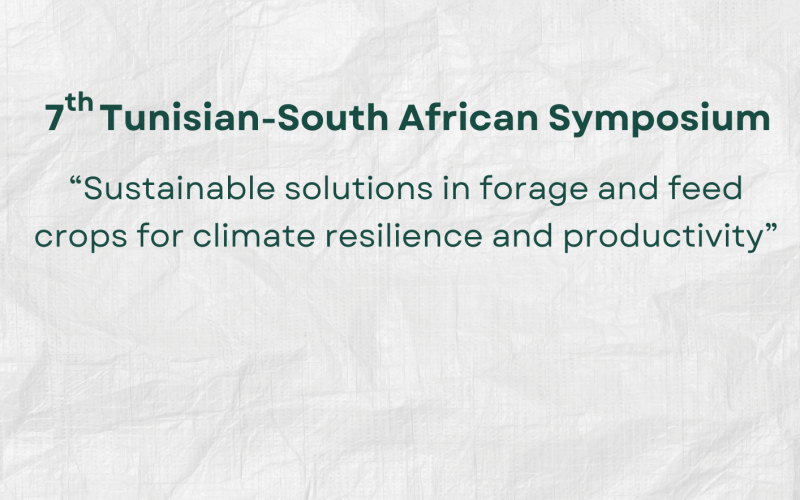
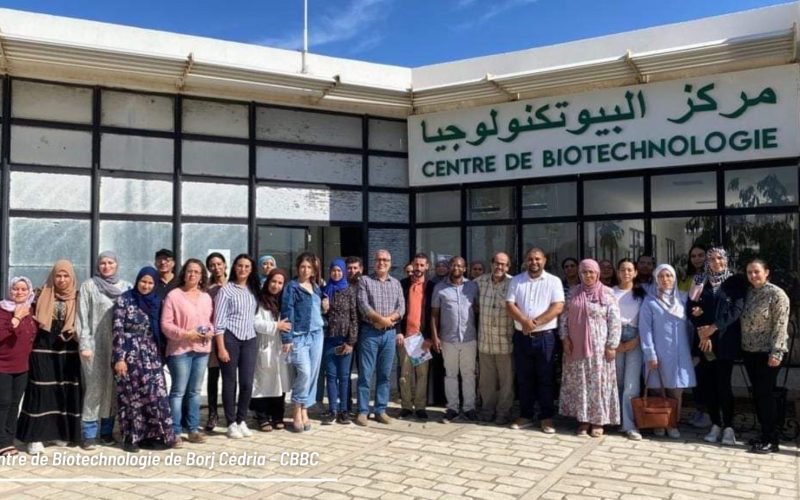
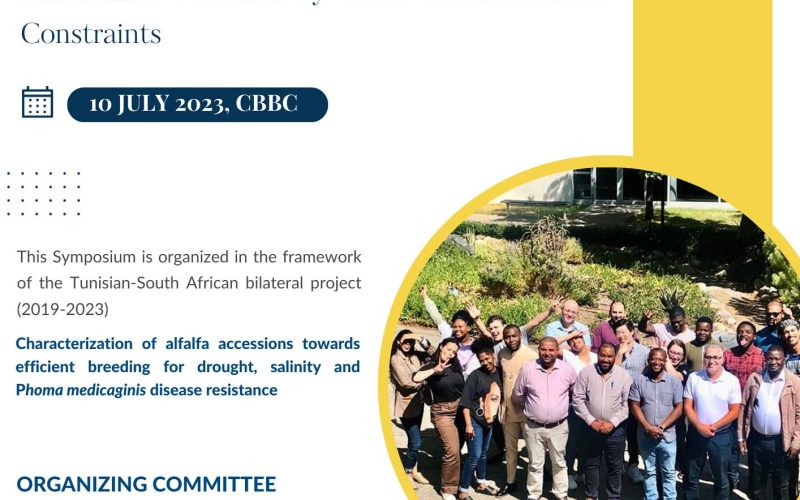
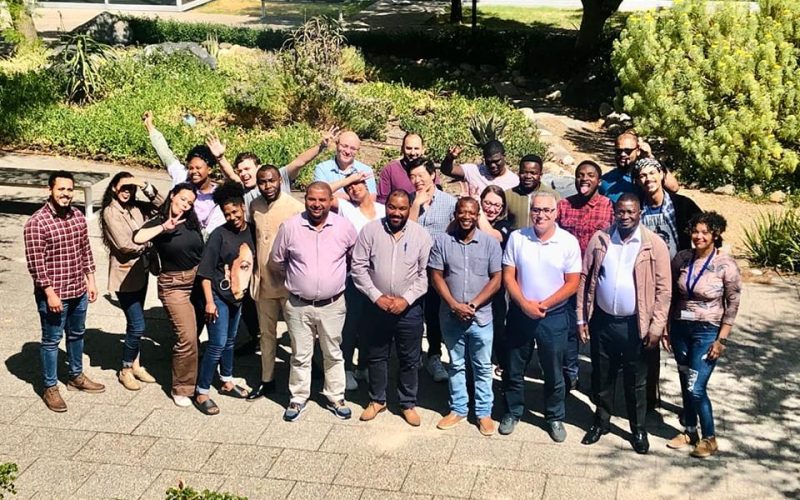
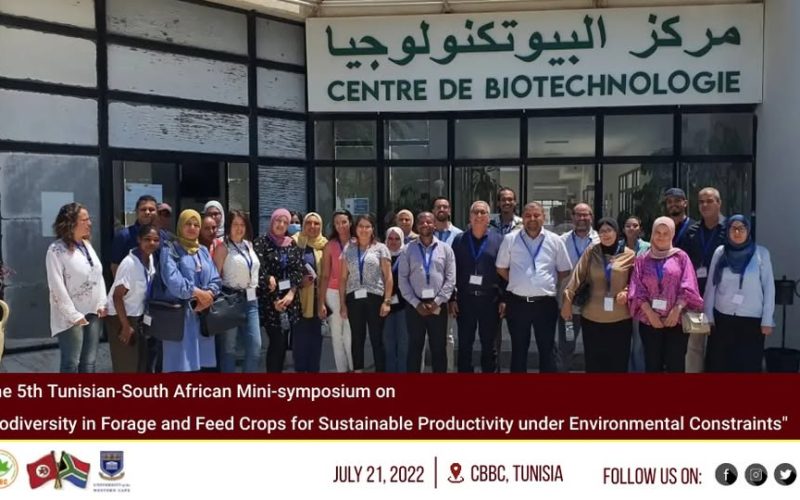
This Mini-symposium is organized in the framework of the Tunisian-South African bilateral project (2019-2024): «Characterization of alfalfa accessions towards efficient breeding for drought, salinity and Phoma medicaginis disease resistance».









 EvènementsTunisian-South African bilateral projectWorkshop / Séminaires
 EvènementsTunisian-South African bilateral projectWorkshop / Séminaires
 EvènementsTunisian-South African bilateral projectWorkshop / Séminaires
 EvènementsTunisian-South African bilateral projectWorkshop / Séminaires
 EvènementsTunisian-South African bilateral projectWorkshop / Séminaires
 EvènementsTunisian-South African bilateral projectWorkshop / Séminaires